What is True Training?
True Training is uniquely personal, or true, for each individual. True Training is safe, highly efficient, and time effective, producing body-changing and life-changing results. True Training is a proven method to increase strength and endurance, improve body composition, energy, and mood. True Training gives you the ability to engage your life in an active way with greater freedom. True Training gives you the best, physically-fit, version of yourself. True Training is the essential workout, without additives, fillers or preservatives.
My clients get strong and fit, but they do not get injured. I simplify my clients’ lives, by teaching them where to focus their attention and efforts. I cut through the distractions and educate people. Think that strength and fitness are only for athletes or jocks? Think again. Think that you don’t have enough time to exercise? Think again. Think that you don’t belong in a gym? Think again. Think you’re too old? Ask about my 100 year-old client. Whatever excuses you have, limiting beliefs, doubts or fears, I am here to say that you can do it! You can change your body and your life. I have dedicated my life to helping people push past their doubts, histories, and stories, to achieve incredible results, and live more active, more healthy, robust lives.

Core Concepts
Regular, effective exercise improves your most vital “muscle,” your mind. Your workout is simple, but not easy. Your workout should never cause injury, ever. Your muscles don’t get stronger in the gym, they recover with rest. Recovery is equally important as exercise. The workout itself isn't fun, but learning in the moment, to rise to the challenge, and succeed, THAT, is fun. It takes some time to gradually acquire the ability and mindset to tolerate effective exercise. If you can train, deliberately, progressing to where your muscles can’t budge the weight, congratulations, you’ve reached the peak! Steady-state cardiovascular exercise, known as “aerobic exercise,” won’t do much for your heart or lungs, and can actually prevent fat loss. Anaerobic exercise can strengthen muscle AND improve cardiovascular fitness.
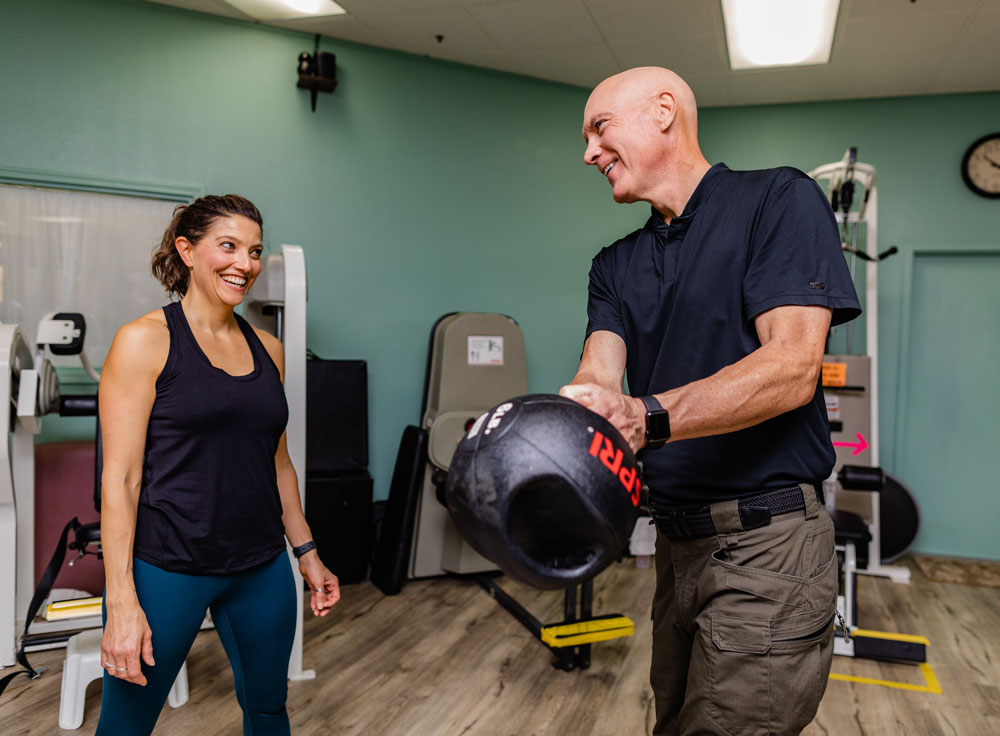
It’s okay, most people don’t want to train that hard. That’s my job: to motivate, inspire and nudge you across the finish line, with each and every workout. If you enjoy working out, you may not be seeing any progress, and you may not be performing exercise correctly. You may be wasting your energy, time and money. Your workout should last between 30-45 minutes, at the most. My most intense workout, ever, lasted 12 minutes. A full body workout can be effectively achieved with 5-7 exercises at most. If you train hard enough, you only need to do one set of an exercise. Most people’s exercise is really recreation, doing nothing to improve strength or fitness. Our lives should be active and physical, as we enjoy and explore our world with family and friends. You can achieve your greatest level of strength and fitness by training twice a week.

It’s okay, most people don’t want to train that hard. That’s my job: to motivate, inspire and nudge you across the finish line, with each and every workout.
It’s okay, most people don’t want to train that hard. That’s my job: to motivate, inspire and nudge you across the finish line, with each and every workout.
Get Started Today and Save 40%
Save $48 on your first session. You pay only $72 for a 1-Hour Session. Initial session includes health history evaluation, goal-setting, and introductory workout.
Do THIS simple move, once a day for better posture!
Preparatory for First Session
PAR-Q, Seven Questions
Health History Intake
ELIMINATE DISTRACTIONS YOUR WORKOUT IS SIMPLE, BUT NOT EASY STRIVE FOR THE BEST VERSION OF YOURSELF STRONG, FIT BODIES AGE WELL CARDIO MAY NOT BE YOUR FRIEND ONE SET IS ENOUGH THE BEST WAY OUT OF A DIFFICULTY IS THROUGH IT A GOOD WORKOUT CAN LEAD TO A GREAT DAY PERSISTENT, CONSISTENT EFFORT WILL TAKE YOU WHEREVER YOU WANT TO GO YOU CAN CHANGE YOUR BODY AND YOUR LIFE
About True Training and Tim Rogers
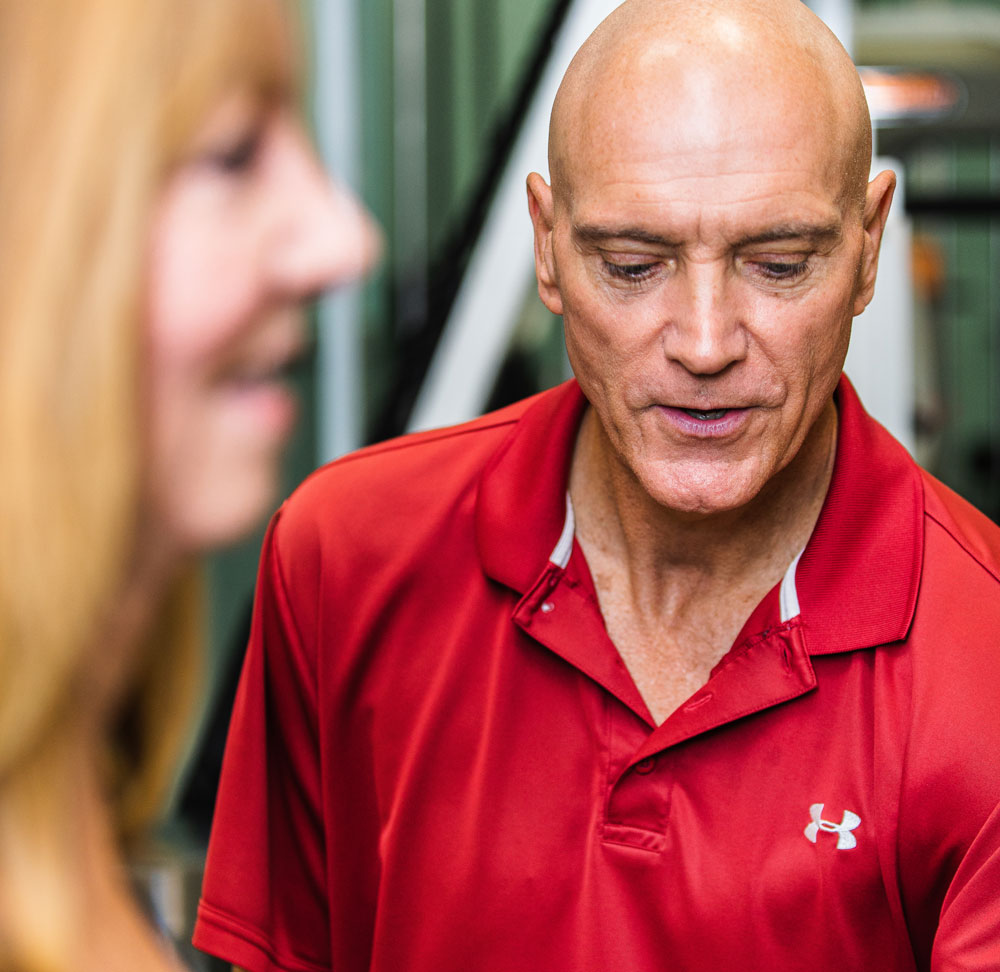
Tim Rogers is a Certified Personal Trainer, holding certifications from the American College of Sports Medicine, National Council on Sports Fitness, and SuperSlow®. He also holds a degree in Mechanical Engineering from Cal Poly, SLO. Tim has been helping his clients attain high levels of fitness, safely, in Sonoma County since 1991. In addition to being a coach, he enthusiastically embraces his role in the community as a husband and a father. Tim strongly believes that a good workout can cure almost anything, and that the golf course can teach you much about life and yourself. Like yesterday, the last shot is done: What’s next, now, today, is the most important shot!
Store Purchase Options


COVID Precautions
My clients’ health and well-being is a top priority, and I greatly value every single person’s safety. I strictly observe the Sonoma County Health Department mandates, as they pertain to COVID precautions, including social distancing and mask-wearing. I train clients in a well-ventilated space, with clean machines and exercise gear. Equipment is sterilized with an antiviral, antibacterial solution, to deter the spread of disease, including COVID-19.

A coach by your side can make all of the difference.